

Are the Casual Hip Hop fans just overreacting for “Likes & Follows”?
Hip Hop Culture is buzzing over what’s “real” and what’s “fake” in music today. 🎤 From the streets to the beats, authenticity is key, but the recent Jadakiss controversy resurfaced in 2025 has some fans questioning their idol. Are rappers staying true to their roots, or are they just acting the part? With urban culture debates heating up and everyone—from Fans, social media “addicts” to podcast listeners—joining in, it’s a perfect time to explore this hot topic. Whether you’re into the latest hits or old-school vibes, you won’t wanna miss this conversation!
Authenticity in Hip Hop Culture
Authenticity in hip hop has been debated since the genre began. Recently, fans and critics are questioning today’s artists. Are they sharing real stories or just playing roles? Let’s break it down.
Real Versus Fake Rappers
The “real versus fake” debate is a big deal in hip hop. Authenticity often means staying true to your roots and sharing real experiences. Fans love artists who “keep it real” with unfiltered truths.
But sometimes, the line between real and performance blurs. Hip hop, like any art, allows creative expression that might not reflect the artist’s life. Does this hurt their authenticity, or make the story richer?
Audiences play a big part. They crave gritty realism, pressuring artists to fit stereotypes. So, is being “real” about personal truth or meeting culture’s unreal expectations?
Music Authenticity in Question
Fans want honesty, valuing artists who reveal their true selves. However, commercial success often ties to image, pushing some to wear a facade.
Critics say a focus on marketability over authenticity disconnects artists and audiences. This tension shows in songs where fame and personal integrity clash.
For listeners, spotting authenticity takes critical thinking. Is an artist genuine, or just crafting a persona for success?
Urban Culture Debates
Urban culture debates put authenticity front and center. Hip hop’s urban roots shape its stories. Is an artist’s background real, or just an image?
Questions surface when artists’ lifestyles don’t match their lyrics. Social Media Critics wonder if they exploit urban culture for profit, watering down its essence.
Some supporters say hip hop needs to evolve, as to the “Casual” Fans are highly alarmed by this (which is highly laughable). As it shouldn’t go “Global”, it just shows what type of society we are in, and especially the tomfoolery that seemingly happens within the nuance of the Hip Hop Culture.
The latest brewing upon Jadakiss “Background”
The Jadakiss controversy is back at it, sparking fresh talk on authenticity in hip hop. Should there be a case study upon on the importance of such within a culture that’s of Entertainment?

What Sparked the Debate?
Questions over Jadakiss focused on his lyrics. Social Media critics claimed his music, though powerful, didn’t mirror his life but an amplified persona.
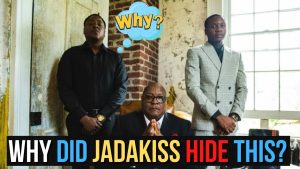
From two years ago (2023), a recent video resurfaced on a guest appearance his father, son; Really Jaewon, and himself made on The Joe Budden Podcast where allegedly his father expresses about Jada’s home raising, as well as schooling.
This led some fans online and social media the audacity to rethink authenticity of Jadakiss’ skillset.
Is Jadakiss a storyteller or wearing a false mask?
The issue highlights the tough task of telling artistic expression from genuine narrative in hip hop.
It shows the complex link between an artist’s image and their art’s truth.
(For me, outright ridiculous to say the least…..but, I digress)
Reactions from the Hip Hop Community
Reactions to the Jadakiss controversy were mixed. Many fans defended him, loving his lyrical prowess and storytelling.
Some saw it as part of a bigger problem, where the quest for commercial success overshadows true artistry.
Community talks stressed balancing artistic freedom with staying true to one’s roots. This reflects hip hop’s ongoing struggle with performance versus authenticity, or for that matter the sensitivity of social media.
The Jadakiss controversy impacts from social media.
It’s reignited the authenticity debate in a changing genre.
Some view it as overreacting nonsense, and others a chance for artists to redefine authenticity, allowing creative freedom while keeping storytelling genuine.
For some, it’s a reminder that authenticity is crucial to the genre’s integrity. As hip hop grows, genuine connections between artists and audiences are vital.
(Honestly, just needs to Grow-Up!!!)
Navigating Today’s Hip Hop Landscape
Today’s hip hop scene needs balancing commercial ambitions with real expression. As the genre shifts, artists and fans must decide what staying true to hip hop means. Also, these unrealistic expectations for Artists and Rappers are being far too blurred for selective premise dismissing the skillset one obtains.
Balancing Fame, Authenticity, and Legal Challenges
Navigating the complexities of fame and authenticity is no easy feat. Success often demands a polished image, but fans yearn for raw, unfiltered truth. On top of these pressures, artists now face the additional challenge of their lyrics being scrutinized in legal settings.
Stay grounded: Anchoring success in community ties ensures that creative work remains genuine and relatable.
Embrace personal stories: Authentic narratives resonate deeply with audiences who crave realness.
Adapt creatively: Innovate with new sounds while honoring one’s roots to remain true to the genre.
Consider lyrical impact: Artists do recognize that lyrics can shape perceptions and even influence legal judgments. Also, they can not control of what evokes a fan nowadays
The true challenge lies in balancing external pressures and maintaining artistic integrity, all while being mindful that lyrical expressions could be used in courtrooms.
The Role of Fans in Shaping Culture
Fans are key to hip hop culture. Their call for authenticity shapes the genre, influencing which artists shine.
-
Support genuine artistry: Fans can back artists with real stories, breaking ground for honesty.
-
Engage critically: By questioning music’s authenticity, some casual fans show what their knowledge is, and for others are purists to the core.
-
Celebrate diversity: Embracing varied experiences lets hip hop grow, blending diverse stories with its core values.
-
Level of Fan Accountability: Yes, they are the consumer, but they should know this is entertainment, and a good amount of rappers are storytelling.
-
Social Media Influence: Over the years since 2011 (approximately my pinpoint of when social media started really kicking off), has added an extra weight shift in the dynamics of the culture.
Fans aren’t just listeners; they’re active in the culture’s growth.
Also, has been a gift and a curse as well to the culture.
Future of Hip Hop Authenticity
The future of hip hop authenticity will merge tradition with innovation, as the ongoing battle between purist and casual fans adds a redefined value to what is considered “real.”
-
Embrace change: Hip hop’s evolution demands openness to new sounds.
-
Value storytelling: Hip hop’s strength lies in its powerful, cross-cultural narratives.
-
Foster dialogue: Ongoing discussions around authenticity will guide the genre’s transformation.
-
Are Casual Fans outweighing the Purist Fans impact: With the way social media operates, and pending upon one’s engagement, as well as numbers have been the unfortunate determining factor towards the narratives within Hip Hop Culture’s authenticity
As hip hop rocks on, authenticity will evolve with those staying true to its roots, embracing new possibilities.
Author’s Final Take:
In reflecting on the current state of authenticity within hip hop, especially in light of the Jadakiss discussion, one must question if the genre’s expectations align with its realities. Jadakiss, with his undeniable skill set, highlights the complexity of these expectations versus his background. This raises the question: why aren’t we allowing hip hop the space to evolve past rigid authenticity metrics, and unrealistic expectations? The fans of the art form should mature, embracing its intrinsic nature of storytelling, regardless of origin stories. It’s time for hip hop to grow up and accept that artistry can indeed thrive without the constraints of outdated ideals of “realness.” This continuous dialogue must evolve to embrace the multiplicity of today’s narratives, acknowledging that through this evolution, the genre can still preserve its essence. As voices contribute to this discourse, it’s imperative that hip hop acknowledges the fluidity of truth in artistic expression, perhaps finally freeing itself from the shackles of its own making.
Quite frankly, get out the culture, or just respect the artist’s creativity.
As per usual, ON TO THE NEXT #MyCreatives
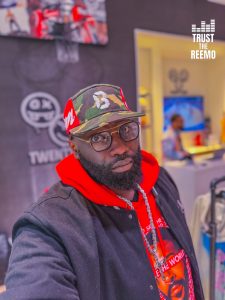
Author, Reemo Meerak
Follow Me on Social Media:
IG: https://www.instagram.com/reemomeerak_
X(Twitter): https://twitter.com/reemomeerak_
Tik Tok: https://www.tiktok.com/@reemomeerak_
LinkedIN: https://www.linkedin.com/in/kareemreemomeeraktyson
Subscribe to The Podcast; Reemo Meerak: The C.U.T.S.
https://www.youtube.com/@TheCUTS_
Subscribe To My Vlog Channel — Reemo Meerak: ReemTV:
https://www.youtube.com/channel/UCzeBLMMZerckVQ9LJa93oZw
For Interviews, Cover your event, write a review, or Features:
[email protected] OR
[email protected]


